Sleep Apnea: Symptoms, Causes and Why Snoring Isn’t Always Harmless
Somewhere in your house, someone has probably joked about your snoring. Maybe your partner nudges you at night, or your kids mimic the sound at breakfast. It’s treated like a personality quirk, something to laugh off or fix with earplugs. But loud, frequent snoring isn’t always this harmless. For a large number of people, it’s the loudest clue the body gives before something more serious shows up, a condition called obstructive sleep apnea.
Studies suggest a large share of sleep apnea cases go completely undiagnosed, mostly because the person snoring is asleep when it happens and has no idea anything is wrong. If you’ve been told you snore heavily, gasp during sleep, or wake up exhausted no matter how many hours you slept, this is worth reading properly rather than skimming past.
Snoring vs Sleep Apnea: What’s the Real Difference
Not all snoring means you have a sleep disorder. Regular snoring happens when air struggles to move past relaxed tissue in the throat and nose. It can be caused by a blocked nose, sleeping on your back, having a drink before bed, or simply getting older. It’s annoying for whoever shares the bed, but on its own it isn’t dangerous.
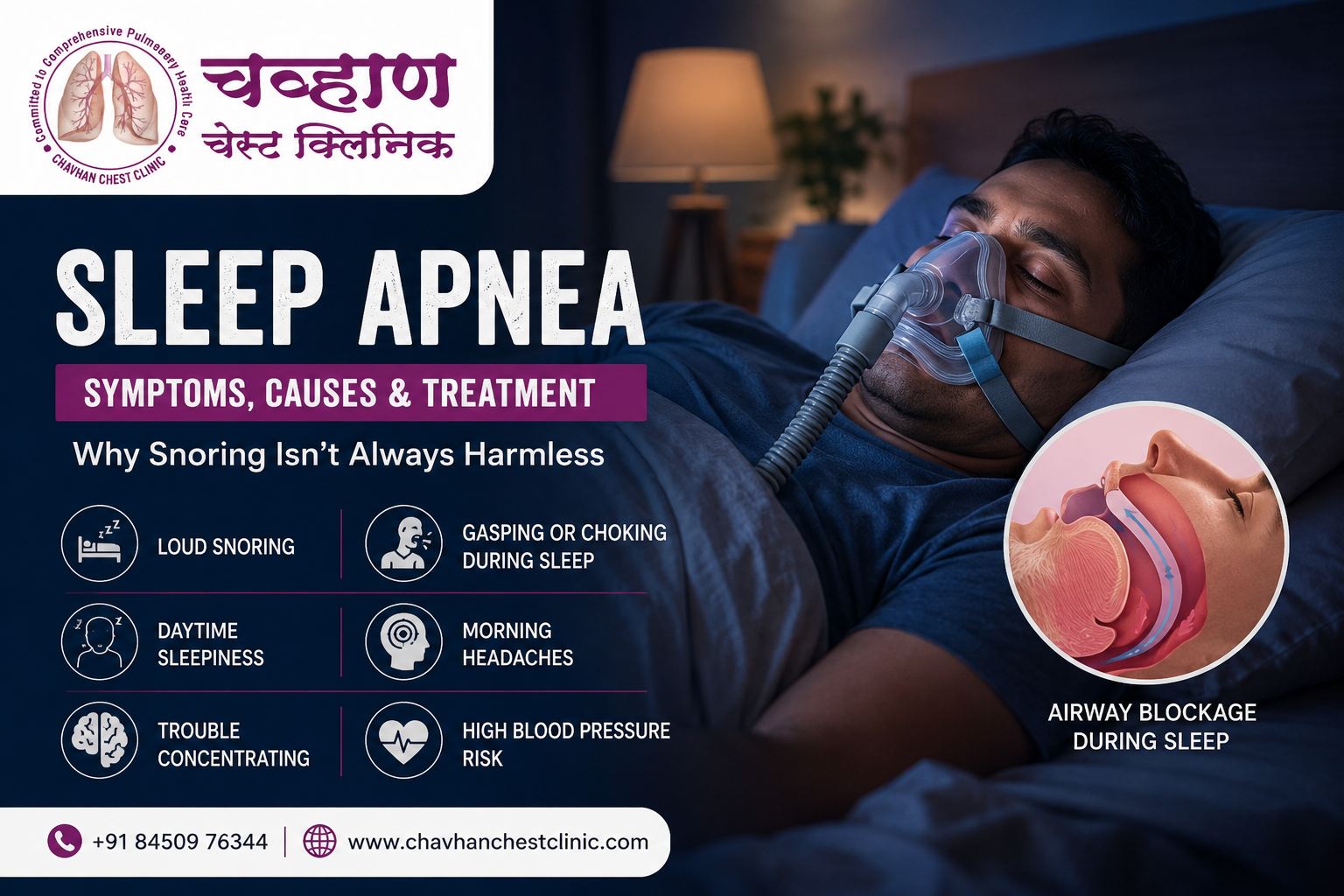
Obstructive sleep apnea is different. Here, the airway doesn’t just vibrate, it actually collapses or gets blocked for several seconds at a time. Breathing stops, oxygen levels drop, and the brain briefly wakes the body up just enough to reopen the airway and start breathing again. This can happen dozens or even hundreds of times a night, and most people have no memory of it happening.
So the honest answer to is snoring dangerous is: it depends. Snoring that comes with pauses in breathing, choking sounds, or gasping is not something to brush off.
A quick way to check yourself: ask your partner, roommate, or family member these three things. Do I ever stop breathing for a few seconds while asleep? Do I wake up gasping or choking? Do I fall asleep during the day even after a full night in bed? A yes to any of these is a stronger signal than the snoring itself, and worth mentioning to a doctor.
What Causes Sleep Apnea
There isn’t a single cause. It’s usually a combination of physical and lifestyle factors that narrow the airway or affect how the brain controls breathing. Common sleep apnea causes include:
- Excess weight around the neck and throat, which puts pressure on the airway
- A naturally narrow throat, large tonsils, or a recessed jaw
- Nasal blockage from allergies, a deviated septum, or chronic sinus issues
- Alcohol or sedative use before bed, which relaxes throat muscles more than usual
- Smoking, which increases inflammation and fluid retention in the upper airway
- Age, since muscle tone in the throat naturally decreases over time
Understanding snoring causes matters because treating the underlying issue, rather than just the noise, is what actually protects your health long term.
Sleep Apnea Risk Factors
Some people are simply more likely to develop it than others. Known sleep apnea risk factors include:
- A body mass index over 30, since extra tissue around the neck can narrow the airway
- A neck circumference on the larger side, which is linked to a tighter airway
- Family history of snoring or sleep apnea
- Smoking and regular alcohol use
- Chronic nasal congestion or allergies
- Existing conditions like high blood pressure, diabetes, or hypothyroidism
Sleep Apnea in Men vs Women
There’s a noticeable pattern when it comes to sleep apnea in men vs women. Men are diagnosed more often, largely because they tend to carry more weight around the neck and abdomen, and their symptoms, loud snoring and witnessed breathing pauses, are easier to notice.
Women often present differently. Instead of loud snoring, they’re more likely to report insomnia, morning headaches, low mood, or unexplained tiredness. This means sleep apnea in women gets missed more often, since the symptoms look more like stress or anxiety than a breathing disorder. Risk also rises for women after menopause, when hormonal changes affect muscle tone in the airway.
Warning Signs Beyond Snoring
Snoring gets all the attention, but it’s rarely the only clue. Watch out for these obstructive sleep apnea symptoms:
- Gasping or choking sounds during sleep, often noticed by a partner before the person notices it themselves
- Waking up with a dry mouth or sore throat
- Morning headaches that fade within an hour or two of waking
- Trouble concentrating or remembering things during the day
- Mood changes, irritability, or feeling low without an obvious reason
- Needing to urinate frequently at night
- Daytime sleepiness causes that don’t add up, like falling asleep during meetings, while reading, or even at red lights
If several of these sound familiar, it’s a stronger signal than snoring alone.
Sleep Apnea and High Blood Pressure
This is the part people underestimate the most. Every time breathing pauses during sleep, oxygen levels drop and the body reacts with a stress response, a sudden spike in heart rate and blood pressure to force breathing to restart. Repeated night after night, this puts real strain on the heart and blood vessels.
The connection between sleep apnea and high blood pressure is well established at this point. Untreated sleep apnea is also linked to a higher risk of irregular heartbeat, heart enlargement, and stroke over time. It’s one of the main reasons doctors take snoring seriously once other symptoms are present, rather than treating it as a lifestyle nuisance.
Left unmanaged, disrupted sleep also builds into something bigger over months and years, often described as chronic fatigue sleep apnea, where tiredness stops feeling like a bad night and starts feeling like a permanent state.
How Sleep Apnea Is Diagnosed
If your symptoms point toward sleep apnea, the next step is a proper sleep apnea diagnosis, not guesswork. This usually starts with a detailed conversation about your sleep habits, followed by a sleep apnea test called a polysomnography, or sleep study.
During a sleep study, sensors track your breathing pattern, oxygen levels, heart rate, and brain activity while you sleep, either overnight at a sleep lab or through a home-based testing device in milder or more straightforward cases. This is what actually confirms whether you have sleep apnea, and how severe it is.
For readers researching sleep study cost in Mumbai, prices vary depending on whether it’s done at home or in a lab, and whether it’s a screening study or a full diagnostic one. It’s worth discussing this directly with your doctor so you know what type of test suits your symptoms and budget before booking one.
Sleep Apnea Treatment Options
The right sleep apnea treatment in India depends on how severe the condition is and what’s causing it. Common approaches include:
- CPAP machine for sleep apnea, which is still the most effective and widely used treatment. It delivers steady air pressure through a mask to keep the airway open through the night.
- Oral appliances that reposition the jaw or tongue, useful for mild to moderate cases or for people who can’t tolerate CPAP.
- Positional therapy, for people whose apnea worsens specifically when sleeping on their back.
- Weight management and lifestyle changes, including cutting down alcohol and quitting smoking.
- In select cases, surgical options to correct structural issues like enlarged tonsils or a blocked nasal passage.
There are also simpler snoring treatment options for people whose snoring isn’t linked to sleep apnea, such as nasal strips, sleeping on your side, or treating nasal allergies. But these only help with the noise, not with an underlying breathing disorder, which is why getting the right diagnosis first matters more than trying home remedies blindly.
When to See a Specialist
If you or your partner have noticed loud snoring paired with gasping, long pauses in breathing, or unexplained daytime exhaustion, it’s worth getting checked rather than waiting it out. Left untreated, sleep apnea doesn’t just affect sleep quality, it quietly raises the risk of heart disease, high blood pressure, and long-term fatigue that affects work and daily life.
Dr. Vinod Chavhan, a pulmonologist in Navi Mumbai with over a decade of experience in chest and respiratory medicine, has evaluated and treated a wide range of sleep-related breathing disorders, including obstructive sleep apnea, asthma, and COPD. Practising at Chavhan Chest Clinic in Panvel and consulting at Kokilaben Hospital, he’s a trusted sleep disorder specialist in Kharghar and the surrounding Navi Mumbai area, offering proper clinical evaluation, sleep study guidance, and a treatment plan built around your actual symptoms and history rather than a generic checklist.
If snoring, gasping, or constant tiredness sounds familiar, don’t wait for it to get worse or turn into a bigger cardiac or metabolic issue down the line. Book a consultation with Dr. Vinod Chavhan and get a clear, tested answer about what’s actually happening while you sleep, instead of guessing.
Frequently Asked Questions
Can you have sleep apnea without snoring? Yes. Some people, especially women, experience pauses in breathing, gasping, or daytime fatigue without loud snoring. Snoring is a common sign, not a requirement for diagnosis.
Does losing weight cure sleep apnea? It can significantly improve mild to moderate cases, since weight loss reduces tissue around the airway. It doesn’t always eliminate it completely, especially if the airway is naturally narrow, so most doctors treat it alongside other therapies rather than as a standalone fix.
Is a sleep study painful or uncomfortable? No. Sensors are placed on the scalp, chest, and fingertip to track breathing, oxygen, and brain activity. It feels unusual for the first hour or so, but it isn’t painful, and most people fall asleep within a reasonable time.
Can children have sleep apnea? Yes, often linked to enlarged tonsils or adenoids. It can show up as poor concentration in school, bedwetting, or hyperactivity rather than obvious daytime sleepiness, which is why it’s frequently missed in kids.
Do I need CPAP for life once I start it? Not necessarily. CPAP treats the symptoms while you use it, so stopping usually brings the apnea back unless the underlying cause, like excess weight or a structural issue, has been addressed. Some people transition to an oral appliance or reduce dependence after significant weight loss, but this should be reassessed with your doctor rather than decided on your own.
