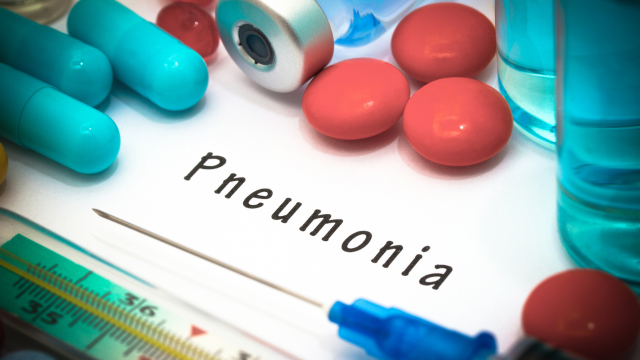
Pneumonia Treatment in Navi Mumbai
A persistent cough, ongoing fever, or breathlessness that doesn’t settle down can be early signs of pneumonia, a lung infection that needs proper medical evaluation rather than guesswork. Dr. Vinod Chavhan provides pneumonia treatment in Navi Mumbai, working with patients through diagnosis, treatment, and recovery based on the specific type and severity of their infection.
What Is Pneumonia?
Pneumonia is an infection of the lung tissue, specifically the alveoli, the small air sacs where oxygen passes into the bloodstream. When these sacs become inflamed and fill with fluid or pus, breathing becomes harder and less oxygen reaches the blood. Pneumonia can affect one lung or both, and severity ranges from a mild infection that resolves with outpatient care to a serious illness requiring hospitalization.
Pneumonia Symptoms
Symptoms vary depending on the cause and the patient's age and overall health, but commonly include:
Persistent cough, which may bring up mucus
Fever, chills, or sweating
Chest pain that worsens with breathing or coughing
Breathlessness or rapid, shallow breathing
Fatigue or unusual weakness
Confusion, particularly in older adults
Nausea, vomiting, or reduced appetite, especially in children
Important to Know
Not everyone experiences all of these, and in some cases, especially in older adults, symptoms can be milder than expected relative to the severity of the infection. If symptoms persist beyond a few days or worsen instead of improving, a medical evaluation is advisable.
What Causes Pneumonia?
Pneumonia can be caused by bacteria, viruses, or fungi, and identifying the underlying cause is central to deciding the right treatment. Common contributing factors include recent respiratory infections, exposure to certain pathogens, and, in some cases, aspiration of food or liquid into the lungs. A hospital stay, particularly one involving a ventilator, can also be a source of infection in some patients.
Types of Pneumonia
Pneumonia is broadly classified by the organism responsible and, separately, by where the infection was acquired. Both matter for treatment planning.
Often caused by Streptococcus pneumoniae, though other bacteria can be responsible as well. It typically presents with a sudden onset of fever, chills, and a productive cough, and is generally treated with antibiotics selected based on the suspected or confirmed organism.
Caused by viruses such as influenza or respiratory syncytial virus (RSV). Symptoms often develop more gradually than bacterial pneumonia and may include a dry cough and body aches. Management typically focuses on supportive care, with antiviral medication used in specific situations when clinically indicated.
Less common overall, fungal pneumonia is seen more often in people with a weakened immune system or existing lung disease. It requires antifungal treatment and closer follow-up, since these infections can be slower to respond and are sometimes harder to identify on initial evaluation.
This occurs when food, liquid, or stomach contents are inhaled into the lungs rather than swallowed normally. It is more common in patients with swallowing difficulties or reduced consciousness, and the treatment approach can differ from typical community-acquired pneumonia.
Pneumonia that develops during a hospital stay is classified separately, since it often involves bacteria that are more resistant to standard antibiotics. A related category, ventilator-associated pneumonia, applies specifically to patients on breathing support and generally needs a more tailored treatment approach.
In patients with significantly weakened immunity, such as those with HIV or undergoing chemotherapy, a specific type called PCP (Pneumocystis) pneumonia may occur. This requires a distinct antimicrobial approach and closer monitoring, and is managed differently from standard bacterial or viral pneumonia.
When Should You Seek Emergency Medical Care?
Certain symptoms warrant urgent medical attention rather than waiting for a scheduled appointment:
Severe difficulty breathing
Bluish discoloration of the lips or face
Confusion or a noticeable drop in alertness
Severe or worsening chest pain
Symptoms that are rapidly getting worse rather than improving
Inability to keep down fluids or maintain hydration
Any concerning symptom in an infant, elderly patient, or someone with a weakened immune system
Pneumonia Recovery and Follow-Up
Recovery time varies from person to person, depending on the cause of the infection, its severity, age, and overall health. Some patients notice improvement within a few days of starting appropriate treatment, while others, particularly those with more severe infections or underlying conditions, may take longer. Follow-up care may include a repeat chest X-ray to confirm the infection has cleared, lung function assessment if breathing hasn’t fully normalized, or breathing exercises and chest physiotherapy to support recovery after a more significant episode.
Can Pneumonia Be Prevented?
While pneumonia can't always be prevented, certain measures can reduce the risk for many people.
Vaccination
Pneumococcal vaccination may be recommended depending on age, existing health conditions, and individual risk factors, in line with current vaccination guidelines. Whether it's appropriate for you or your child is best discussed with your doctor.
Influenza Vaccination
Since flu can lead to pneumonia in some patients, an annual flu vaccine is often advised where relevant.
Avoiding Smoking
Smoking damages the lungs' ability to fight infection and increases the risk of developing pneumonia.
Hand Hygiene
Regular handwashing reduces the spread of the bacteria and viruses that can lead to pneumonia.
Managing Existing Health Conditions
Keeping conditions like asthma, COPD, or diabetes well controlled lowers overall vulnerability to respiratory infections.
Why Choose Dr. Vinod Chavhan for Pneumonia Treatment?
Dr. Vinod Chavhan brings over 10 years of experience to the diagnosis and treatment of respiratory conditions, including pneumonia in both adults and children.
Qualifications & Professional Expertise
MBBS
MGM Medical College, Navi Mumbai
FCCP, USA
Fellowship in College of Chest Physicians
Diploma in Chest Medicine
Nanavati Hospital, Mumbai
EDARM
European Diploma in Adult Respiratory Medicine
Consultant Chest Physician
Chavhan Chest Clinic, Panvel & Kharghar and Kokilaben Dhirubhai Ambani Hospital, Navi Mumbai
Bronchoscopy Experience
More than 500 flexible bronchoscopies performed as part of respiratory diagnostic care.
Patients are seen through the full course of care, from initial diagnosis to follow-up, rather than being redirected elsewhere for basic evaluation.
(Note: The clinic’s own website currently states “10 years of expertise.” If 15+ years is the correct, current figure, please confirm so the website and this page can be updated consistently, since a mismatch between pages undermines trust signals for both patients and search engines.)
Pneumonia Treatment in Kharghar, Panvel & Navi Mumbai
Patients from Kharghar, Panvel, and other parts of Navi Mumbai can consult Dr. Vinod Chavhan for pneumonia evaluation and treatment. Whether the case involves a straightforward outpatient course of antibiotics or requires closer monitoring, the goal is a diagnosis based on proper testing rather than assumption, and a treatment plan suited to the individual patient’s condition.
Frequently Asked Questions
Helpful answers to common questions about pneumonia, treatment, recovery, and when to seek medical care.
Mild, uncomplicated pneumonia is often managed at home with prescribed medication, rest, and fluids, along with follow-up to confirm improvement. Whether home treatment is appropriate depends on the severity of the infection and the patient's overall health, which is assessed by the treating doctor.
Hospitalization may be recommended for more severe infections, low oxygen levels, difficulty maintaining hydration, confusion, or significant underlying health conditions. This is determined through clinical evaluation rather than a fixed rule.
Yes, since pneumonia affects the air sacs where oxygen enters the bloodstream, it can reduce blood oxygen levels in moderate to severe cases. This is one reason pulse oximetry is a routine part of assessment.
Recovery time varies depending on the cause, severity, and the patient's age and health. Some patients improve within days of starting treatment, while others, especially with more severe infections, take longer. A doctor can give a more specific expectation based on your individual case.
Bacterial pneumonia often develops more suddenly, with high fever and a productive cough, and is generally treated with antibiotics. Viral pneumonia tends to develop more gradually and is managed mainly with supportive care, with antiviral medication used in specific situations.
Pneumonia itself isn't contagious, but the bacteria or virus causing it can spread between people through close contact or coughing. This is one reason good hygiene matters, particularly around infants, older adults, or anyone with reduced immunity.
This specific type is seen mainly in people with significantly weakened immunity, such as those with HIV, undergoing chemotherapy, or recovering from an organ transplant, and requires a different treatment approach than typical pneumonia.
This depends on your age, health conditions, and individual risk factors. It's worth discussing directly with your doctor to see whether current guidelines recommend it for you or your child.
It's possible, particularly if an underlying risk factor isn't addressed or if a prescribed course of treatment wasn't completed as directed. Follow-up care helps reduce this risk.
If a cough, fever, or breathlessness persists beyond a few days, is getting worse instead of better, or occurs in someone at higher risk, a medical evaluation is advisable rather than waiting it out.
Get Evaluated Without Delay
Persistent cough, ongoing fever, chest discomfort, or breathlessness are worth getting checked rather than waiting to see if they pass on their own, particularly for children, older adults, or anyone with an existing health condition. Dr. Vinod Chavhan sees pneumonia patients across Kharghar, Panvel, and Navi Mumbai for evaluation and treatment.
Clinic Locations
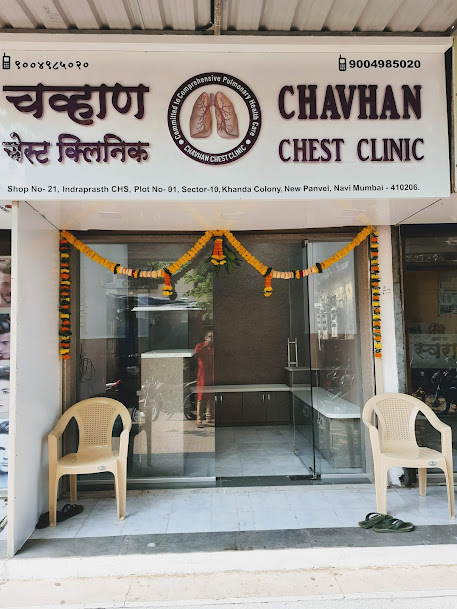
Chavhan Chest Clinic - Panvel
📍 Shop No-21, Indrsprasht CHS, Plot No-1, Sector-10, Khanda Colony, New Panvel East, Navi Mumbai, Maharashtra 410206
Phone: +91 9004985020
Get Location
Chavhan Chest Clinic - Kharghar
📍 Shop No 312-313, 3rd Floor, Pacific Building, Shilp Chowk, Sector 13, Kharghar, Navi Mumbai, Maharashtra 410210
Phone: +91 9820676822
Get Location
Kokilaben Dhirubhai Ambani Hospital
📍 Thane-Belapur Road, Kopar Khairane, Navi Mumbai, Maharashtra 400710
Phone: +91 9004985020
Get Location
Sanjivani Speciality Clinic - Vashi
📍 Office No. 706, JK Chambers Building, Sector 17, Vashi, Navi Mumbai, Maharashtra 400703
Phone: +91 9820676822
Get Location