Air Pollution Crisis in India The Direct Link to Rising Lung Cancer Cases
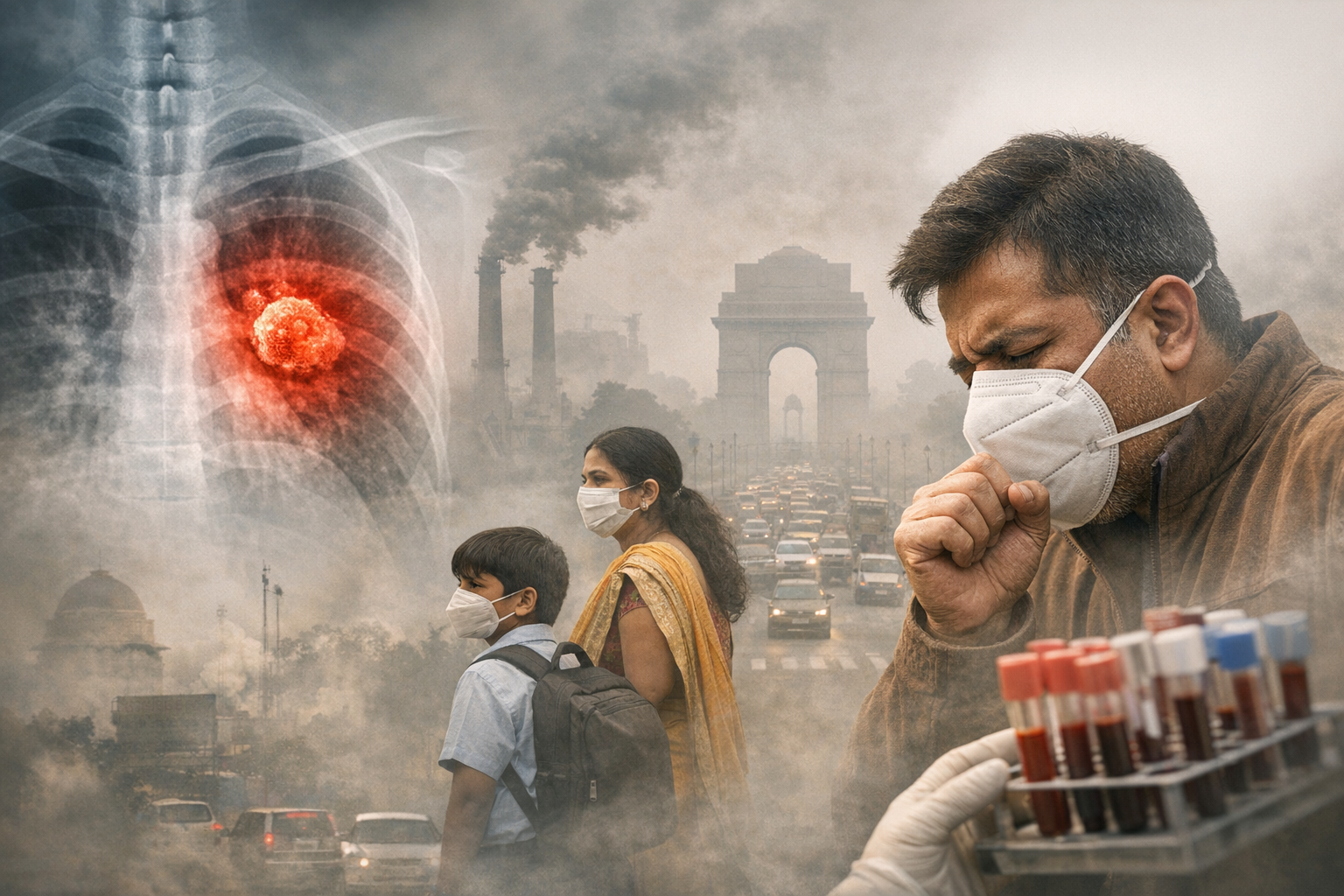
Air pollution in India has reached alarming levels over the past decade, turning into a major public health emergency. From metro cities like Mumbai and Delhi to rapidly growing urban areas, the air quality continues to deteriorate due to increasing industrialization, traffic congestion, and population growth.
While air pollution has always been associated with breathing problems and respiratory infections, recent medical research has highlighted a far more serious consequence. There is a strong and growing connection between air pollution and the rising number of lung cancer in India.
What makes this situation even more concerning is the increasing number of non-smokers being diagnosed with lung cancer. Traditionally, smoking was considered the primary cause, but today environmental factors such as polluted air are emerging as a major risk.
This shift has led to a growing demand for advanced lung cancer treatment in Mumbai, where patients are seeking early diagnosis, expert consultation, and modern therapies. Understanding the causes, symptoms, and prevention strategies is essential to protect lung health and reduce long-term risks.
In recent years, healthcare experts have also observed that younger populations are beginning to show early signs of respiratory damage due to prolonged exposure to polluted environments. This indicates that the impact of air pollution is not limited to older adults but is affecting all age groups.
Current Air Pollution Scenario in India
India is consistently ranked among the countries with the highest air pollution levels in the world. Several cities record Air Quality Index levels that are far beyond safe limits, especially during winter months when smog levels rise sharply.
The major contributors to air pollution in India include
Vehicle emissions from cars, trucks, and two-wheelers
Industrial emissions releasing harmful chemicals
Construction and road dust
Burning of garbage and agricultural waste
Use of solid fuels for cooking in households
Among all pollutants, PM2.5 particles are the most dangerous. These microscopic particles are capable of entering deep into the lungs and bloodstream. Their small size allows them to bypass the body’s natural defense system, leading to serious health complications.
Another emerging concern is indoor air pollution, which is often overlooked. Poor ventilation, use of biomass fuels, and household chemicals contribute significantly to indoor pollution levels. Many individuals spend most of their time indoors, making this an equally important risk factor.
Long-term exposure to such pollutants results in severe air pollution health effects, including chronic respiratory diseases, cardiovascular problems, and cancer.
How Air Pollution Affects Lung Health
The lungs are directly exposed to the air we breathe, making them highly vulnerable to pollution. Every breath taken in a polluted environment introduces harmful particles into the respiratory system.
Over time, this leads to
Inflammation of lung tissues
Damage to airway lining
Reduced lung function
Weakening of the immune system
Increased susceptibility to infections
In addition to these effects, air pollution can also impair the natural cleansing mechanism of the lungs. Normally, tiny hair-like structures called cilia help remove dust and toxins. Continuous exposure to pollutants damages these structures, allowing harmful substances to accumulate.
These effects contribute to a wide range of respiratory diseases caused by air pollution, including asthma, bronchitis, chronic obstructive pulmonary disease, and eventually lung cancer.
Scientific Link Between Air Pollution and Lung Cancer
Air pollution contains several toxic substances known to cause cancer. These include heavy metals, hydrocarbons, and diesel exhaust particles.
When these harmful elements enter the lungs regularly
They cause continuous irritation and inflammation
Cells attempt to repair the damage repeatedly
Errors occur during cell repair leading to mutations
DNA damage accumulates over time
Abnormal cells grow uncontrollably
This process ultimately leads to the development of lung cancer.
Recent studies have shown that prolonged exposure to polluted air can activate oncogenes, which are responsible for cancer development. These genetic changes may remain silent for years before symptoms appear, making early detection difficult.
Studies have confirmed that long-term exposure to PM2.5 significantly increases the risk of lung cancer, even in individuals who have never smoked. This explains the rising number of lung cancer in India linked to environmental factors.
Increase in Lung Cancer Among Non Smokers
One of the most concerning trends in recent years is the increase in lung cancer in non smokers.
Many patients diagnosed today have no history of tobacco use. Instead, their condition is linked to
Exposure to outdoor air pollution
Indoor pollution from cooking smoke
Passive smoking
Occupational hazards such as chemicals and dust
Additionally, genetic susceptibility may also play a role. Some individuals are more vulnerable to environmental toxins due to inherited factors. When combined with pollution exposure, the risk increases significantly.
This has changed the understanding of lung cancer risk factors. Awareness about causes of lung cancer in non smokers is now essential, especially for people living in urban areas.
Early Signs and Symptoms of Lung Cancer
Recognizing lung cancer early signs can significantly improve treatment outcomes. However, symptoms often appear mild in the beginning and are ignored.
Common early symptoms include
Persistent cough that does not improve
Shortness of breath during routine activities
Chest pain or discomfort
Coughing up blood
Unexplained weight loss
Loss of appetite
Constant fatigue
In some cases, patients may also experience voice changes, recurrent chest infections, or swelling in the face and neck. These signs should not be ignored, as they may indicate advanced disease progression.
Lung Disease Symptoms Caused by Pollution
Before lung cancer develops, pollution often causes noticeable respiratory issues.
Common lung disease symptoms include
Frequent coughing and throat irritation
Difficulty breathing or breathlessness
Wheezing or whistling sound while breathing
Chest tightness
Recurring lung infections
Persistent symptoms indicate chronic inflammation in the lungs, which can eventually lead to structural damage and increase cancer risk. Early intervention at this stage can prevent serious complications.
Long Term Health Effects of Air Pollution
Long-term exposure to polluted air can have severe consequences on overall health.
These include
Reduced lung capacity
Chronic respiratory diseases
Heart-related conditions
Weak immune response
Higher risk of infections
Development of cancer
Air pollution is also linked to systemic inflammation, which affects multiple organs in the body. This increases the risk of conditions such as stroke, heart attack, and metabolic disorders.
Children and elderly individuals are particularly vulnerable due to weaker immunity and developing or aging lungs.
Understanding Lung Cancer Stages
Lung cancer is categorized into stages based on its spread in the body.
Stage 1 Cancer is limited to the lungs and is easier to treat
Stage 2 Cancer spreads to nearby lymph nodes
Stage 3 Cancer spreads within the chest
Stage 4 Cancer spreads to distant organs
Advanced stages often require complex treatment plans involving multiple therapies. Early detection at Stage 1 or Stage 2 offers significantly better survival rates and improved quality of life.
Importance of Early Diagnosis
Early diagnosis plays a crucial role in successful treatment. Unfortunately, many cases in India are diagnosed at advanced stages due to lack of awareness.
Screening programs, especially for high-risk individuals, can help detect abnormalities even before symptoms appear. Low-dose CT scans are increasingly recommended for early detection in high-risk populations.
Regular screening and timely medical consultation can help detect lung cancer at an early stage. This increases the chances of successful treatment and recovery.
Diagnostic Tests for Lung Cancer
Doctors use various tests to diagnose lung cancer accurately
Chest X-ray
CT scan
PET scan
Biopsy
Pulmonary function tests
Advanced diagnostic techniques such as molecular testing and genetic profiling are now being used to identify specific mutations. This helps doctors choose targeted therapies for more effective treatment.
Advanced Lung Cancer Treatment in Mumbai
Mumbai is known for its advanced healthcare facilities and experienced specialists. Patients have access to modern and effective lung cancer treatment in Mumbai.
Treatment options include
Surgery to remove cancerous tissue
Chemotherapy to destroy cancer cells
Radiation therapy for targeted treatment
Targeted therapy focusing on specific mutations
Immunotherapy to boost the immune system
Recent advancements in cancer treatment have improved survival rates significantly. Personalized medicine is now being used to tailor treatments based on individual patient profiles.
The choice of treatment depends on the stage of cancer and overall health of the patient.
Consulting a best pulmonologist Mumbai ensures proper diagnosis and a personalized treatment plan.
Role of a Pulmonologist in Lung Cancer Care
A pulmonologist specializes in diagnosing and treating lung diseases.
Their role includes
Identifying early symptoms
Conducting diagnostic tests
Monitoring lung function
Guiding treatment decisions
Providing long-term care
They also work closely with oncologists and radiologists to ensure comprehensive care for lung cancer patients.
Who Is at Higher Risk
Certain groups are more vulnerable to pollution-related lung cancer
People living in highly polluted cities
Individuals exposed to dust and chemicals at work
Smokers and passive smokers
Elderly individuals
People with pre-existing lung conditions
People working in construction, factories, and mining industries are particularly at higher risk due to prolonged exposure to harmful substances.
Prevention Tips to Protect Lung Health
Although it is difficult to completely avoid pollution, certain measures can reduce risk
Wear N95 masks when outdoors
Use air purifiers at home
Avoid outdoor activities during peak pollution hours
Maintain proper ventilation indoors
Eat a healthy diet rich in antioxidants
Exercise regularly to improve lung capacity
Schedule routine health check-ups
In addition, planting indoor plants and using natural ventilation methods can help improve air quality inside homes.
Importance of Lifestyle and Diet
A healthy lifestyle can help strengthen the lungs and improve immunity
Include fruits and vegetables rich in antioxidants
Stay hydrated to flush out toxins
Avoid smoking and second-hand smoke
Practice breathing exercises
Maintain regular physical activity
Yoga and pranayama are particularly beneficial for improving lung function and reducing stress levels.
When to See a Doctor
You should consult a specialist if
You have a persistent cough for more than two weeks
You experience breathing difficulties
You notice chest pain or discomfort
You have unexplained weight loss
You are exposed to polluted environments regularly
Early consultation with a best pulmonologist Mumbai can help detect lung conditions at an early stage.
Future Outlook and Growing Concern
If air pollution levels continue to rise, the number of lung cancer cases in India is expected to increase further.
Urban populations are at the highest risk due to constant exposure to polluted air. Without proper preventive measures and awareness, this health crisis may worsen in the coming years.
Government policies, stricter emission regulations, and public awareness campaigns are essential to control pollution levels and reduce health risks.
Conclusion
Air pollution is no longer just an environmental issue. It has become a major health threat contributing to the rapid rise of lung cancer in India.
The increasing number of cases among non-smokers highlights the seriousness of this problem. Polluted air is silently damaging lung health and increasing cancer risk over time.
Understanding lung cancer early signs, recognizing lung disease symptoms, and seeking timely lung cancer treatment in Mumbai can make a life-saving difference.
If you are experiencing symptoms or belong to a high-risk group, consulting a best pulmonologist Mumbai is the right step toward protecting your health. Early detection and expert care can significantly improve outcomes and quality of life.
Expert Lung Cancer Treatment in Mumbai
If you are experiencing any symptoms related to lung disease or are concerned about your risk due to air pollution, it is important to seek expert medical advice without delay.
Dr. Vinod B. Chavhan is a trusted Lung Cancer and Respiratory Specialist known for accurate diagnosis and advanced treatment planning. With extensive experience in managing complex lung conditions, he provides personalized care for patients at every stage.
From early screening to advanced lung cancer treatment in Mumbai, timely consultation can help improve outcomes and ensure better recovery.
Book a Consultation Today
Do not ignore persistent cough, breathing difficulty, or other lung disease symptoms. Early detection can save lives.
Consult Dr. Vinod B. Chavhan for expert guidance, proper diagnosis, and the most effective treatment options tailored to your condition.
