
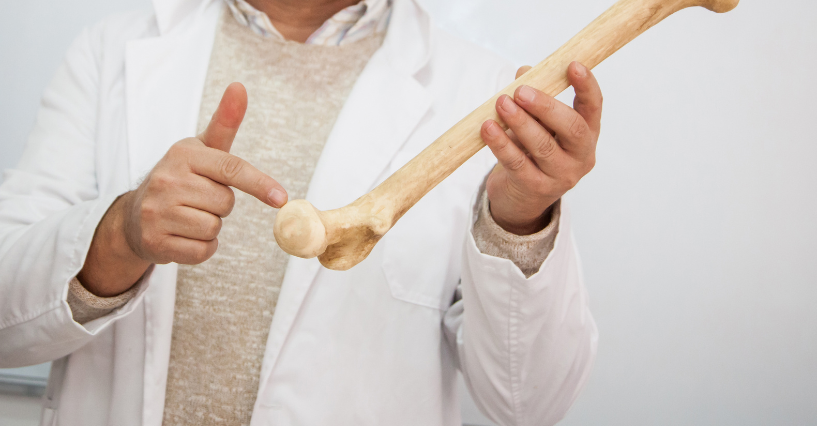
Is bone tb dangerous – Causes, Symptoms, and Treatment Explained
People often think of tuberculosis (TB) as a lung infection, but it can also affect other parts of the body. Bone tuberculosis, or Bone TB, is a less well-known type of tuberculosis that affects bones and joints. Mycobacterium tuberculosis, the bacteria that cause TB, can spread beyond the lungs and infect the bones. The spine is the bone that is most often affected by a disease called spinal TB or TB of the spine.
If bone TB is not found and treated right away, it can cause serious long-term problems. This blog will talk about what bone TB is, what causes it, what its symptoms are, what complications can happen, how to diagnose it, and the different ways to treat it.
Is Bone TB Dangerous?
A common question patients ask is: Is Bone TB dangerous? The answer is yes, if left untreated, it can cause severe damage to the spine and joints, sometimes leading to paralysis or deformity. However, with timely diagnosis and proper treatment, the condition is curable. Early intervention reduces the risk of permanent damage and improves the chances of full recovery.
Patients also ask whether bone TB is dangerous compared to other forms of TB. Because bone tissue has a poor blood supply, the bacteria are harder to reach with medicines, and the infection can silently damage bone for months before symptoms become obvious. This is what makes it more dangerous than it might seem at first.
Another concern many patients have is: can bone TB cause death? Death from bone TB alone is uncommon when treatment is started on time. But in people who do not get treatment, or who have a very weak immune system from conditions like HIV or uncontrolled diabetes, the infection can spread to other organs and become life-threatening.
What Is Bone TB? (Bone TB Means)
Bone TB is a form of extra-pulmonary tuberculosis, meaning TB that affects a part of the body outside the lungs. The same bacteria that cause lung TB, Mycobacterium tuberculosis, travel through the bloodstream from the lungs or lymph nodes and settle in bone tissue.
The spine is the most common site, accounting for roughly half of all bone TB cases. This specific form is called Pott’s disease or spinal tuberculosis. Other commonly affected bones and joints include the hip, knee, shoulder, ankle, and wrist. In children, long bones such as the femur and tibia can also be affected.
The term ‘bone TV’ or ‘bone tv kya hota hai’ that many patients search for online refers to the same condition. It is simply a phonetic variation of ‘bone TB’ used commonly in spoken language.
Causes of Bone TB
Causes of Bone TB begin with the spread of TB bacteria from the lungs or lymph nodes to the bones through the bloodstream. Several factors increase the risk:
• People with diabetes, HIV/AIDS, or other long-term illnesses are more likely to have a weak immune system.
• Not eating enough nutrients weakens the immune system, making it harder to fight infections.
• Not finishing or delaying TB treatment can allow the bacteria to keep growing and spreading.
• Living in crowded places with poor airflow increases the likelihood of TB exposure.
• Close contact with a person who has active pulmonary TB is the most common way the initial infection starts.
• A history of untreated or undetected lung TB that reactivates later in life.
• Use of medicines that suppress the immune system, such as steroids or chemotherapy drugs.
It is important to understand that bone TB is not caused by a separate bacteria. It is always secondary to TB infection elsewhere in the body, most often the lungs. The primary infection may have happened years earlier and gone unnoticed before the bacteria spread to bone.
Bone TB Symptoms
Unlike pulmonary TB, which often presents with cough and chest pain, Bone TB symptoms are more localized and develop gradually:
• Persistent back pain or pain in affected joints.
• Limited range of movement in joints.
• Cold abscesses, which are soft swellings filled with pus.
• Fatigue, low-grade fever, and weight loss.
• Advanced cases, spinal deformity or difficulty walking.
• Night sweats that persist over several weeks.
• Muscle weakness or numbness in the limbs if the spinal cord is under pressure.
• Swelling around a joint without any obvious injury or trauma.
One thing that makes bone TB difficult to catch early is that the pain is easy to mistake for a muscle strain, disc problem, or arthritis. Many patients spend months visiting general doctors before getting the right diagnosis. If back pain or joint pain does not improve with standard treatment, TB should be considered and ruled out with proper tests.
Because symptoms progress slowly, patients may ignore early discomfort, delaying diagnosis.
Is Spine TB Dangerous?
Yes. Spine TB, also called Pott’s disease or vertebral tuberculosis, is one of the more serious forms of bone TB. The bacteria destroy the vertebral bodies, which are the bony blocks that make up the spine. When these collapse, the spine can curve forward abnormally, a condition called kyphosis or gibbus deformity.
If the destroyed bone or pus from an abscess presses against the spinal cord, it can cause neurological problems. These include weakness in the legs, loss of bladder or bowel control, and in the worst cases, complete paralysis. Is spine TB dangerous? Yes, it is. But the good news is that most patients recover with proper treatment, and those who are treated before paralysis sets in have the best outcomes.
Lumbar tuberculosis (TB of the lower back) and TB of the neck vertebrae are also possible. Each carries its own specific risks depending on which part of the spinal cord is under pressure.
Which Type of TB Is Dangerous?
Not all forms of TB carry the same level of risk. Here is how they compare:
• Pulmonary TB (lung TB): The most common form. Contagious through the air. Treatable but can be severe if drug-resistant.
• Extra-pulmonary TB: TB affecting organs outside the lungs, including bones, kidneys, brain, and lymph nodes. Harder to detect and often more damaging.
• Spinal TB: Among the most serious forms of extra-pulmonary TB because of the risk of paralysis.
• TB meningitis: TB of the brain membranes. Very dangerous with a high risk of permanent neurological damage.
• Miliary TB: TB that spreads through the bloodstream to multiple organs at once. This is the most dangerous form overall.
• Drug-resistant TB (MDR-TB, XDR-TB): TB that does not respond to standard medicines. Requires longer and more complex treatment.
Among the forms that patients commonly ask about, bone TB is considered dangerous primarily because of how slowly it presents and how much damage it can do before it is diagnosed.
Bone TB Diagnosis
Accurate diagnosis involves a combination of clinical evaluation and specialized tests:
• X-rays and MRIs can show bone damage, deformity, or abscess formation.
• CT scans provide clear pictures of spine involvement.
• Biopsy: A tissue sample can confirm the presence of Mycobacterium tuberculosis.
• Blood tests and TB culture detect current infection.
• The Mantoux test (Tuberculin skin test) shows exposure to TB bacteria.
• IGRA test (QuantiFERON-TB Gold): A blood test more specific than the Mantoux test. It detects TB infection more accurately in people who have had the BCG vaccine.
• ESR and CRP blood tests: These show levels of inflammation in the body and are used to track response to treatment over time.
• PET scan: In some complex cases, a PET scan is used to identify active sites of infection in the body.
The bone TB test name most used to confirm the diagnosis is the bone biopsy with TB culture and sensitivity. This test also tells the doctor whether the bacteria are resistant to any of the standard TB drugs, which helps plan the right treatment.
A correct diagnosis ensures the right treatment starts promptly.
Bone TB Treatment
Medicines are the first step. TB medications are usually prescribed for 6 to 12 months, and taking them daily at the same time is crucial for recovery.
Don’t stop your treatment early. Completing the full course avoids relapse, even if symptoms improve.
In some cases, surgery may be necessary if bone TB causes an abscess, pressure on the spinal cord, or severe deformity.
Gentle exercises and guided physiotherapy can help the affected bones and joints regain strength and movement.
Eating a protein-rich diet with vitamins and minerals supports healing and boosts immunity. Adequate rest is also essential for recovery.
The standard drug regimen for bone TB uses four medicines in the first phase: Isoniazid, Rifampicin, Pyrazinamide, and Ethambutol. These are taken together every day. After the initial phase, two drugs are usually continued for the rest of the treatment period. A doctor will adjust the regimen if the bacteria are found to be resistant to any of these medicines.
In cases where surgery is needed, the most common procedures include draining a large abscess, removing infected bone tissue (debridement), and stabilizing the spine with rods or screws when there is instability. Surgery is not required for most patients and is only recommended when medicines alone are not enough to protect the spinal cord or correct a dangerous deformity.
For patients who have been on bed rest for a long time, physiotherapy is a gradual process. It starts with gentle movement exercises and progresses to walking and strengthening as the bone heals. A physiotherapist should guide this process rather than the patient attempting exercises on their own.
Duration of Bone TB Treatment
Because bone tissues have poor blood supply, treatment duration is longer than for pulmonary TB. Treatment typically lasts 9 to 12 months, and full recovery may take over a year. Even if symptoms improve, patients should not stop treatment too soon.
In cases involving drug-resistant TB, or where there is significant spinal damage or neurological involvement, treatment can extend to 18 to 24 months. During treatment, doctors usually check progress every 2 to 3 months using blood tests and imaging. These follow-up visits are important and should not be skipped even when the patient feels well.
Bone TB Recovery Time
Recovery from bone TB takes time and varies from person to person depending on how early the diagnosis was made, how much bone damage occurred, and how well the patient follows the treatment plan.
• Pain and fever: Usually start improving within 4 to 8 weeks of starting medicines.
• Swelling and abscess: Gradually reduce over 2 to 4 months with treatment.
• Walking and joint movement: Often improve within 3 to 6 months with physiotherapy.
• Bone healing on imaging: Full healing on X-ray or MRI can take 12 to 24 months.
• Neurological recovery: Where weakness or paralysis was present, partial or full recovery is possible if treatment started early. This can take 6 to 18 months.
Patients sometimes feel discouraged when they still see changes on their scan even though they feel better. This is normal. Bone heals much more slowly than soft tissue, and imaging always lags behind clinical improvement. The most important sign of recovery is how the patient feels and functions day to day.
Is Bone TB Curable?
Yes, bone TB is curable. This is the most important thing to understand about this condition. The vast majority of patients who take the full course of anti-TB medicines as prescribed go on to make a complete recovery.
The key factors for a full cure are: starting treatment early, taking medicines every day without missing doses, completing the full course without stopping early, eating well and resting adequately, and attending all follow-up appointments.
Bone TB is not a death sentence. With proper care and discipline in following the treatment plan, most patients return to normal life.
Can Bone TB Come Back?
Bone TB can relapse in some patients. The most common reason for relapse is stopping treatment before it is complete. When treatment is stopped early, some bacteria may survive in the bone tissue and start growing again. These surviving bacteria can also become resistant to the medicines that were used, making the second treatment more difficult.
Other reasons for relapse include re-exposure to an active TB patient, a severely weakened immune system that cannot keep the infection under control even after treatment, and poor nutrition during recovery.
To prevent bone TB from coming back, patients must finish every dose of their prescribed treatment and keep attending follow-up check-ups after treatment ends. Any return of symptoms like back pain, fever, or joint swelling after treatment should be reported to the doctor immediately.
Can Bone TB Lead to Cancer?
Bone TB does not directly cause bone cancer. There is no scientific evidence of a direct link between bone TB and the development of bone cancer (osteosarcoma or other bone tumors).
However, some patients who have had chronic, untreated infections over many years may have a slightly higher general risk of certain inflammatory conditions. This is not the same as TB directly causing cancer. If a patient notices unusual new symptoms after completing bone TB treatment, such as rapidly growing swelling, severe pain that does not fit the pattern of TB, or unexplained weight loss returning after cure, they should see their doctor for a proper evaluation.
Conclusion
Bone tuberculosis is a serious illness, but it can be treated. Spinal TB is the most common type, but any bone or joint can be affected. Early detection, timely diagnosis, and proper treatment prevent complications and improve recovery chances.
So, is TB in the bones dangerous? Yes, if untreated. But with proper medical guidance and adherence to prescribed treatment, Bone TB can be fully cured. If you or someone you know experiences unexplained back pain, joint swelling, or weakness, see a doctor promptly.
FAQs
Q1: Is Bone TB dangerous?
Yes, if left untreated, it can lead to severe bone and joint damage, spinal deformities, or paralysis.
Q2: How is Bone TB diagnosed?
Diagnosis involves X-rays, MRI, CT scans, biopsy, blood tests, TB culture, and Mantoux skin test.
Q3: Can Bone TB be cured?
Yes. With proper treatment including medication, physiotherapy, and sometimes surgery, full recovery is possible.
Q4: How long does treatment last?
Treatment typically lasts 9 to 12 months or longer, depending on the severity and location of infection.
Q5: Can Bone TB affect other bones besides the spine?
Yes, Bone TB can affect any bone or joint, though the spine is most commonly affected.
Q6: What is the bone TB recovery time?
Pain and fever usually improve within 4 to 8 weeks. Walking and joint movement often recover within 3 to 6 months with physiotherapy. Full bone healing on imaging can take 12 to 24 months.
Q7: What is the bone TB treatment duration?
Standard treatment lasts 9 to 12 months. Drug-resistant TB or cases with severe spinal damage may require 18 to 24 months. Do not stop medicines early even if you feel better.
Q8: Which type of TB is most dangerous?
Miliary TB, which spreads to multiple organs through the bloodstream, is the most dangerous. Among bone forms, spinal TB is the most serious because of the risk of paralysis.
Q9: Is spine TB dangerous?
Yes. Spinal TB can cause vertebral collapse, spinal cord compression, and paralysis if not treated in time. Early treatment gives the best outcomes.
Q10: Can bone TB cause death?
Death from bone TB alone is uncommon with proper treatment. In untreated cases or in patients with very weak immunity, the infection can spread and become life-threatening.
Q11: Can bone TB come back after treatment?
Yes. Relapse is most common when treatment is stopped early. Finishing the full prescribed course is the best protection against recurrence.
Q12: Can bone TB lead to cancer?
No. Bone TB does not directly cause bone cancer. Any unusual symptoms after completing treatment should be reported to a doctor for proper evaluation.
Q13: What is the bone TB test name?
The most reliable test is a bone biopsy with TB culture and sensitivity. Other tests include MRI, CT scan, Mantoux skin test, IGRA blood test, and ESR and CRP blood tests.
