
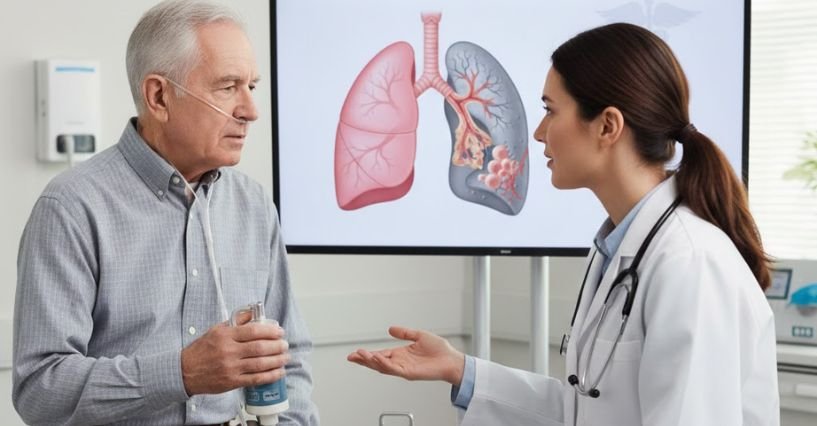
What Is COPD? Causes, Symptoms, and Treatment Explained
COPD (Chronic Obstructive Pulmonary Disease)is a long-term lung condition that gradually reduces airflow in and out of the lungs. The term “chronic” means persistent, “obstructive” means blocked airflow, and “pulmonary” refers to the lungs. COPD is progressive, meaning symptoms worsen over time, and it is not fully reversible, unlike asthma or a common cold.
Globally, COPD is a leading cause of morbidity and mortality, affecting millions of people. According to the World Health Organization (WHO), COPD accounted for over 3 million deaths in 2023, and the prevalence is expected to rise due to smoking, air pollution, and urbanization.
Why COPD Is a Growing Health Problem
- Smoking: Primary risk factor; even second-hand smoke contributes to COPD development.
- Air Pollution: Vehicle emissions, industrial fumes, and household cooking smoke damage lung tissue over years.
- Urban Lifestyle: Crowded cities with poor air quality increase exposure to harmful particles.
- Aging Population: COPD is more common in older adults, whose lungs naturally lose elasticity.
- Economic Impact: COPD leads to high healthcare costs, reduced productivity, and loss of quality of life.
Early recognition of symptoms like chronic cough, morning phlegm, or breathlessness is crucial. Early intervention can slow disease progression, reduce hospital visits, and improve life quality.
What Is COPD?
Medical Definition
COPD is a group of progressive lung disorders that cause persistent airflow limitation due to airway and alveolar damage. The main conditions under COPD are:
- Chronic bronchitis: Persistent cough with mucus production
- Emphysema: Destruction of alveoli that reduces oxygen absorption
Most patients experience mixed COPD, which includes features of both conditions.
Chronic vs Obstructive vs Pulmonary
- Chronic: Long-lasting and progressive
- Obstructive: Airflow is blocked or narrowed
- Pulmonary: Affects the lungs
Unlike temporary respiratory issues, COPD does not resolve on its own and requires ongoing management.
Reversibility, Control, and Progression
- COPD is not reversible
- Symptoms are controllable through medication, pulmonary rehab, and lifestyle changes
- The disease is progressive, so early management is essential to prevent severe complications
Common Myths About COPD
| Myth | Fact |
| Only smokers get COPD | Non-smokers exposed to dust, air pollution, and chemicals can also develop COPD |
| COPD is just aging | Aging slightly reduces lung capacity, but COPD causes permanent lung damage |
| Asthma and COPD are the same | Asthma is often reversible; COPD is chronic and progressive |
Pathophysiology of COPD
COPD occurs when long-term exposure to harmful particles triggers chronic inflammation in the lungs. Over time, this leads to structural changes:
Lung Changes in COPD
- Airway inflammation: Swollen airways reduce airflow
- Excess mucus production: Blocks airways and causes infection
- Loss of alveolar elasticity: Makes exhaling difficult
- Air trapping: Air remains in lungs, reducing oxygen exchange
- Reduced oxygen uptake: Low blood oxygen leads to fatigue, headaches, and cognitive issues
Why Symptoms Appear
- Breathlessness: Due to trapped air and reduced lung efficiency
- Fatigue: Oxygen deprivation causes tiredness
- Frequent infections: Mucus provides a breeding ground for bacteria
- Chest discomfort: Overworked lungs and respiratory muscles
Types of COPD
1. Chronic Bronchitis
- Definition: Cough with mucus for at least 3 months in 2 consecutive years
- Symptoms: Morning cough, frequent colds, thick mucus
- Impact: Chronic cough and phlegm make daily activities exhausting
2. Emphysema
- Definition: Alveolar destruction reducing oxygen absorption
- Symptoms: Breathlessness, fatigue, weight loss, barrel chest in advanced stages
- Impact: Even minimal physical activity can cause shortness of breath
3. Mixed / Overlap COPD
- Combination of chronic bronchitis and emphysema
- Symptoms are more severe
- Requires comprehensive treatment plans
Causes of COPD
1. Smoking and Tobacco Exposure
- Cigarettes, cigars, bidis, hookah, and vaping
- Risk increases with years smoked (dose-dependent)
- Second-hand smoke increases risk for family members
2. Air Pollution
- Outdoor: Traffic, industrial emissions
- Indoor: Cooking smoke, heating fuels
- Chronic exposure causes airway inflammation
3. Occupational Hazards
- Dust: Coal, cement, silica
- Chemical fumes and smoke
- Poor ventilation at workplaces
4. Genetic and Early-Life Factors
- Alpha-1 antitrypsin deficiency (rare)
- Severe childhood infections
- Low birth weight or malnutrition affecting lung development
Symptoms of COPD
Early Symptom
Progressive Symptoms
- Persistent wheezing
- Chest tightness
- Fatigue
- Difficulty performing daily tasks
Advanced Symptoms
- Breathlessness at rest
- Cyanosis (bluish lips or nails)
- Swelling in legs due to heart strain
- Unintentional weight loss
- Sleep disturbances and anxiety
COPD Symptoms in Different Groups
- Smokers: Early onset and more severe
- Non-smokers: Environmental or occupational causes
- Elderly: Often coexists with other health conditions
- Younger adults: Usually occupational or genetic
- Gender differences: Women may report more anxiety and breathlessness
Stages of COPD
COPD is staged using spirometry (FEV1 measurement):
- Stage 1 (Mild): FEV1 ≥ 80%
- Stage 2 (Moderate): FEV1 50–79%
- Stage 3 (Severe): FEV1 30–49%
- Stage 4 (Very Severe): FEV1 < 30%
Patients are also grouped as GOLD A, B, C, D based on symptoms and exacerbation risk.
How Is COPD Diagnosed?
- Medical history: Smoking, occupational exposures, family history
- Physical exam: Wheezing, prolonged exhalation, barrel chest
- Spirometry: Confirms airflow obstruction
- Imaging: Chest X-ray or CT for lung damage
- Blood oxygen tests
- Rule out other conditions: Asthma, tuberculosis, heart failure
Treatment Options for COPD
Medications
- Short-acting bronchodilators: Quick relief
- Long-acting bronchodilators: Daily maintenance
- Inhaled corticosteroids: Reduce inflammation
- Antibiotics: During infections
Inhaler Therapy
- Correct technique ensures medication reaches lungs
- Devices: MDIs, DPIs, nebulizers
- Common errors: Not shaking inhaler, incorrect breathing
Oxygen Therapy
- Recommended for severe COPD with low oxygen
- Improves stamina and survival
- Safety: No smoking near oxygen
Pulmonary Rehabilitation
- Exercise training
- Breathing retraining
- Disease education
- Psychological support
Surgical & Advanced Interventions
- Lung volume reduction surgery
- Endobronchial valves
- Lung transplantation
Diet and Nutrition
- High-protein, nutrient-rich foods
- Small frequent meals
- Adequate hydration
- Avoid heavy, gas-forming foods
- Maintain healthy body weight
Breathing Exercises & Physical Activity
- Pursed-lip breathing: Slow exhalation to release trapped air
- Diaphragmatic breathing: Strengthens core breathing muscles
- Stretching and low-impact aerobic exercise
- Energy conservation during daily activities
COPD Flare-Ups
- Sudden worsening of symptoms (COPD exacerbation)
- Triggered by infections, pollution, or stress
- Early warning signs: Increased cough, thicker mucus, more breathlessness
- Emergency signs: Severe chest pain, confusion, cyanosis
Prevention of COPD
- Quit smoking and prevent relapse
- Reduce air pollution exposure
- Use workplace protective equipment
- Get vaccinations (flu, pneumonia)
- Maintain healthy lifestyle and diet
COPD Life Expectancy & Prognosis
Life expectancy depends on:
- Disease stage
- Smoking status
- Comorbidities
- Adherence to treatment
Early diagnosis and proper care improve outcomes.
Latest Advances in COPD Treatment (2026)
- Smart and digital inhalers for adherence
- Biologic therapies targeting inflammation
- AI-based symptom monitoring
- Stem cell research for lung tissue regeneration
Conclusion & Key Takeaways
COPD is a chronic, progressive lung disease that can be managed effectively. Early diagnosis, medication adherence, lifestyle changes, pulmonary rehabilitation, and preventive care can slow progression, reduce symptoms, and improve quality of life.
Key points:
- Smoking and air pollution are major causes
- Early recognition of symptoms is critical
- Spirometry confirms diagnosis
- Treatment includes medications, rehab, oxygen, surgery, diet, and breathing exercises
Consult a healthcare provider if you notice persistent cough, breathlessness, or reduced stamina. Early action saves lives.
